Personal alarms or mobile phones for family emergency alerts
A mobile phone is the first thing many people reach for when something feels wrong. It can call for help, send a message, share a location and hold important contacts. For family emergency alerts, though, a phone is not always the simplest tool in the moment. A personal alarm is built around one job: making a clear call for help when the person wearing it may not be able to explain what is happening.
The better choice depends on the person, the setting and the kind of emergency being planned for. Phones suit situations where someone can see the screen, unlock it, find the right contact and speak clearly. Wearable alarms suit situations where those steps may be hard, slow or unsafe. Many families end up thinking about both, because they cover different gaps.
What a phone does well
A phone is flexible. It can be used for ordinary calls, texts, maps, photos, messaging groups and video calls. That makes it useful when a family member is delayed, needs directions or wants to check in during a normal day. If the person is calm, has the phone within reach and knows who to contact, the phone can be enough for many day-to-day check-ins.
For older adults or people with health needs, a phone can also support family emergency alerts through saved contacts, repeated calls and location sharing. The catch is that each of those features depends on a working sequence. The phone needs charge. It needs signal. The person may need to unlock it, open an app, find a name, press call and stay on the line. In a fall, a faint, a panic episode or a sudden medical event, that sequence can become the problem.
Phones also vary widely in setup. One family member may prefer text, another may rely on video, and another may keep everything in a messaging app. In an urgent moment, those habits can slow everyone down. A clear family rule, such as calling before sending messages, can help, but it still depends on the person being able to act.

Where a personal alarm is more practical
A personal alarm removes several decisions at once. Instead of searching for a contact, the wearer uses a dedicated control, often described as an SOS button. That matters when someone is on the floor, outside, in pain, short of breath or confused. The purpose is not to replace every form of communication. It is to make the first alert easy enough to send when ordinary phone steps are unrealistic.
Wearable medical alarms in New Zealand are often discussed alongside features such as fall detection, GPS location checks and two-way calling. Familyr Medical Alarms sits in that same broad category, with SOS alerts, fall detection, GPS location checks and two-way calling without a monthly monitoring fee. Those features point to a practical difference: a phone can do many things if the person can operate it, while a wearable alarm is arranged around quick access to help.
The strongest case for a personal alarm is not only for someone living alone. It can also suit a person who spends time in the garden, walks regularly, travels between home and family homes, or spends part of the day alone while others are at work or school. In those gaps, family emergency alerts work best when the alert method does not depend on a phone being in a pocket, on a table in another room or on charge.
Fall detection is one reason families consider a wearable option. A fall can leave a person unable to reach a phone, even when the phone is nearby. Some people are also reluctant to press a button because they do not want to make a fuss. Automatic detection can reduce that hesitation, though no device should be treated as a guarantee that every fall will be detected in every situation. It is better seen as an added layer, not a replacement for sensible routines and regular contact.
Two-way calling can matter after the first alert. A person who can hear and speak through the device may be able to explain what happened, whether help is needed and where they are. GPS location checks can also be helpful when someone is away from home or cannot describe the place clearly. These functions are different from a standard phone call because they are built into the same wearable setup the person is already carrying.
Comparing the options by real-life demands
Think about the moment when an alert may be needed. If the person is likely to be upright, thinking clearly and close to their phone, a phone call may be the fastest route. If the person may be on the ground, disoriented, shaking, or unable to speak, a wearable alarm is usually the more practical first step. The question is less about which device is better in general and more about which one still works when conditions are poor.

Another factor is routine. A phone is often carried for ordinary life, so it may be close at hand. A wearable alarm only helps if it is worn or kept nearby. That sounds obvious, but it is the detail that decides whether family emergency alerts are useful. A device left on a charger in the kitchen cannot alert anyone from the driveway. A phone left inside cannot be used on a walk. The best setup is the one that fits naturally into the person's day.
Comfort matters too. A wearable alarm needs to be acceptable to the person wearing it. If it feels awkward, looks unwanted or is easy to forget, it may not be used consistently. Some people prefer something discreet. Others prefer a device that is easy to see and easy to press. The right shape depends on daily habits, dexterity, vision, mobility and personal preference.
There is also the question of who receives the alert. With a phone, the person usually chooses who to call at that moment. With a family alert setup, expectations should be clear beforehand. Who will respond first? What happens if that person cannot answer? Does another family member need to be told? These are not technical questions alone. They are part of making family emergency alerts workable for the whole household.
When both options make sense
For many households, the practical answer is not a strict either-or choice. A phone remains useful for ordinary contact, messages, maps and calls with family. A personal alarm covers the moments when the phone is out of reach or too difficult to use. Together they give the person more than one route to help, which is useful because emergencies rarely follow a tidy plan.
Familyr Medical Alarms is one example families may come across when comparing wearable medical alarms in New Zealand. The relevant point is not that one option suits everyone. It is that the alert method should match the person's likely needs, especially if a fall, GPS location check or two-way call could make a difference.
Questions to settle before choosing
Before deciding, look at the person's actual day. Where do they spend time alone? Do they go outside often? Do they keep their phone close, or does it often end up in another room? Can they hear a phone ring across the house? Can they unlock it quickly? Would they feel comfortable pressing an SOS control? These questions reveal more than a feature list can.
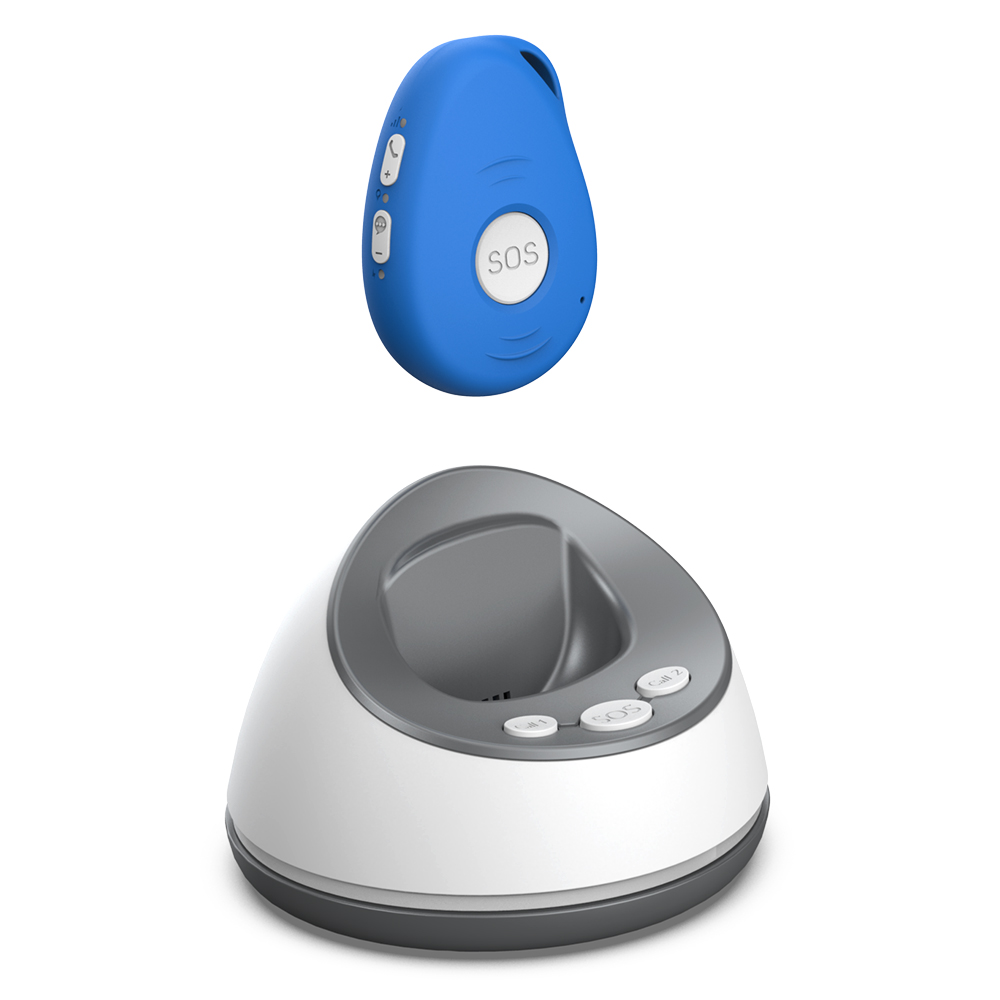
It also helps to agree on simple family habits. Keep important numbers easy to find. Make sure the phone is charged overnight. Decide who responds to an alert during the day and who checks in at set times. If a wearable alarm is part of the plan, place it somewhere predictable when it is not being worn, and make sure the person knows how to use it without hunting through menus.
A personal alarm is more practical than a mobile phone when the main risk is not a lack of technology but a lack of access to it at the critical moment. A phone is more practical when the person can use it confidently and it is always within reach. Family emergency alerts work best when the chosen method is easy, familiar and matched to the person's real routine, not just to the features that sound useful on paper.
Ends · THEFAMILYCARER